Look for a working relationship you can understand
Choosing a digital partner is partly about the work and partly about how decisions will be made. A useful first conversation should help you understand the route from your current problem to a reviewed result.
Local collaboration can be valuable when a process needs a working session. Shared notes, demonstrations and clear responsibilities keep that value between meetings, whether the people involved are in the same room or joining remotely.
How will you understand the business before proposing the build?
Ask what the team needs to see: existing pages, sample documents, customer actions, data sources or the process behind an enquiry. Good questions connect the visible experience to the work that follows it.
For a software project, find out who will validate the requirements. Stakeholder and end-user input can reveal different needs, and the process should give both a useful role.
- What will discovery produce?
- Which assumptions will be tested?
- Who needs to review journeys, content and initial designs?
What will we be able to review during development?
A visual direction, a working journey and a release-ready feature are different review stages. Ask how each is presented and what kind of feedback is useful at that point.
Shared milestones make progress understandable. Feedback should become a tracked item, with a decision about priority and a clear route back to the person who raised it. Ask how a changed requirement affects the scope and schedule.
How do the website and the operational systems fit together?
A form can create an enquiry, a quotation can become an order and a mobile action can update a record. Ask where the authoritative information lives and how the handover is validated.
If a provider is unavailable or an import contains an unexpected format, there needs to be a visible exception and an agreed recovery route. The same conversation should cover permissions, credentials and the data genuinely needed for the task.
What will we own and be able to maintain?
Clarify ownership of the content, domain, accounts, code, design assets and the information stored by the application. Ask which third-party services or licences the platform depends on.
A useful handover identifies the people responsible for publishing, support and releases. It should be clear which changes your team can make and which need development work.
- Can content be updated through appropriate templates?
- How are code and configuration changes released?
- Where are submissions and operational records stored?
- What documentation and access will the team receive?
How are releases, reporting and future issues handled?
Ask how staging, acceptance checks and production releases work. The process should account for the important customer journeys and provide a route back when a release fails its checks.
Agree what ongoing support covers, how issues are reported and how urgency is assessed. Response and release expectations should reflect the service being provided. A general promise is less useful than an understandable process and clear ownership.
Can the evidence support the proposed approach?
Look for case studies that explain the original problem, the decisions made and the outcome. A relevant workflow can be useful evidence even when the customer operates in a different sector.
Check the distinction between delivered features, current development and future scope. Ask for context around any timeline or metric rather than assuming one project’s result applies to every brief.
Working with JAS from Spitalfields
JAS is based at 68–80 Hanbury Street, Spitalfields, London E1 5JL. We bring brand, websites, bespoke applications and integration work together around defined customer and operational journeys.
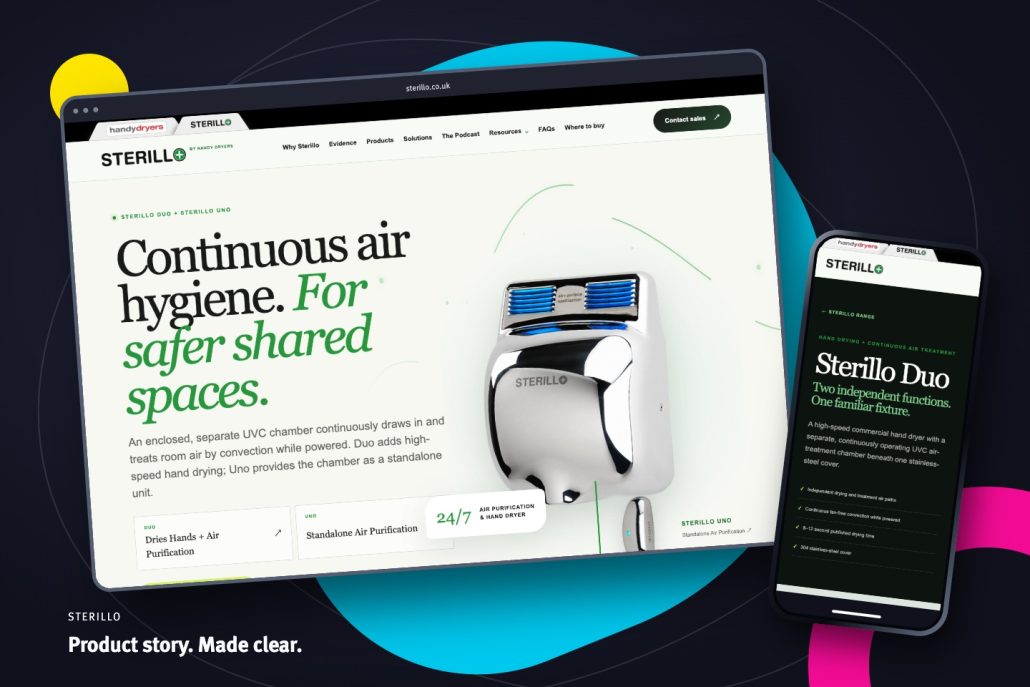
Sterillo and Another Planet illustrate different parts of that work. You can use the questions above to discuss our approach, compare a proposed scope and decide whether the relationship fits your project.