Choose a complete piece of work for the first release
An MVP should let a defined group complete a useful journey. That might be preparing and approving a quotation, recording a property visit or turning an incoming request into an assigned task.
The first scope can be narrow while its underlying records and responsibilities remain clear. Discovery helps choose that boundary and makes the assumptions visible enough to test with the people who will use it.
Work through the journey with the people doing the job
We use representative examples and multi-part validation sessions. Stakeholders can explain the intended process; end users help reveal the exceptions, terminology and workarounds that a high-level brief can miss.
The journey map identifies actors, decisions, handovers and the point at which the work is considered complete. Early frontend designs help people review the sequence without needing to interpret a technical document alone.
Define the records and their relationships
The database model describes the information the platform needs to own. A customer, quotation, quotation version and order may need separate identities even when the current spreadsheet places them on one row.
- Core entities, identifiers and relationships.
- Required and optional fields, with validation rules.
- Which application owns each important value.
- Roles, access boundaries and retention requirements to agree.
- History needed for review, correction and reporting.
Describe transactions as states and decisions
A quotation workflow might move from draft to submitted, reviewed, accepted and converted. Each transition needs an actor, required information and an outcome. A rejection, correction or cancellation needs a route too.
This makes important questions explicit. Can the price change after acceptance? What happens if a supplier update arrives late? Which action creates an order? The specification records the agreed behaviour rather than leaving it to a screen label.
Map imports and external connections
Existing documents, feeds and applications become inputs to a mapping exercise. We compare their structures with the proposed model, agree transformations and test representative records.
Data contracts can document the expected format and validation at a boundary. They support quality as sources change, alongside version handling, reconciliation and a clear way to deal with exceptions. AI-assisted mapping can help prepare suggestions, with checks against the source and operator-approved definitions.
Why migration starts with meaning
Plan reporting, issues and the release as well as the screens
Reporting requirements identify measures, filters, source records and who needs access. Operational views should help a person find the next action, rather than simply add charts to an administration page.
Acceptance criteria describe how the team will verify the main journeys. The release plan covers environments, validation, data migration, monitoring and recovery. A reporting route gives future issues a place to enter a tracked workflow.
Separate architecture from optional design effort
A focused first release can use familiar patterns, a smaller set of screens and fewer rounds of bespoke visual exploration. More extensive user research, brand work or custom interaction design can be scoped as additional effort.
The distinction is visible in the deliverables. Permissions, data quality and essential transaction behaviour still need an appropriate implementation. Later phases can add journeys and design depth without discarding a coherent platform foundation.
Leave discovery with something that can be agreed
The output is a connected specification: user journeys, data model, state transitions, API or import definitions, reporting, initial designs and acceptance criteria. Open questions have owners, and the first release has a clear boundary.
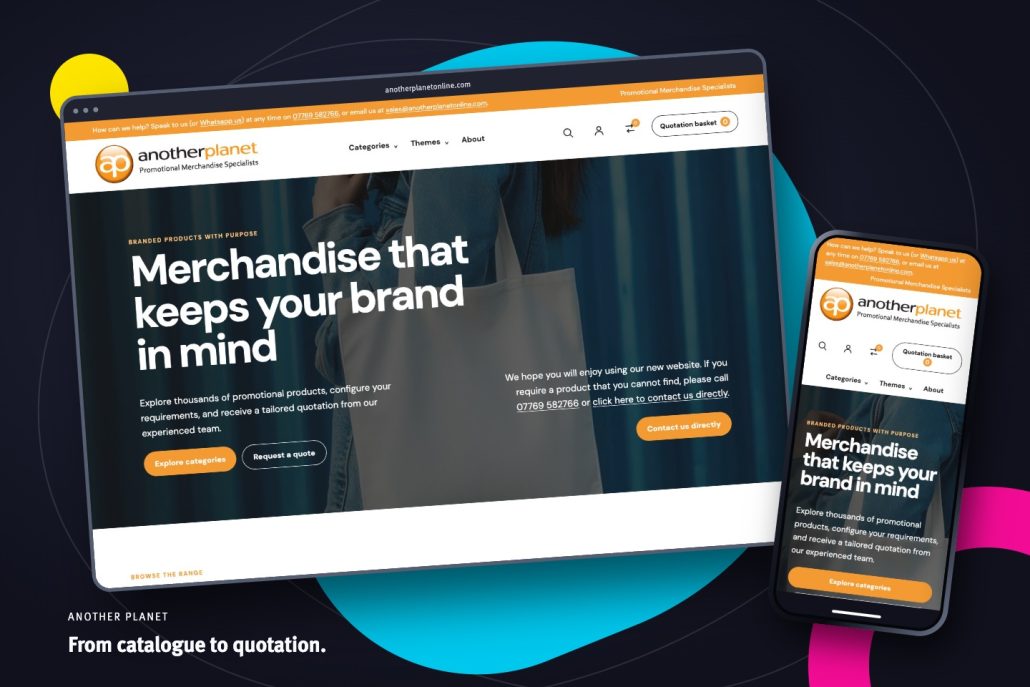
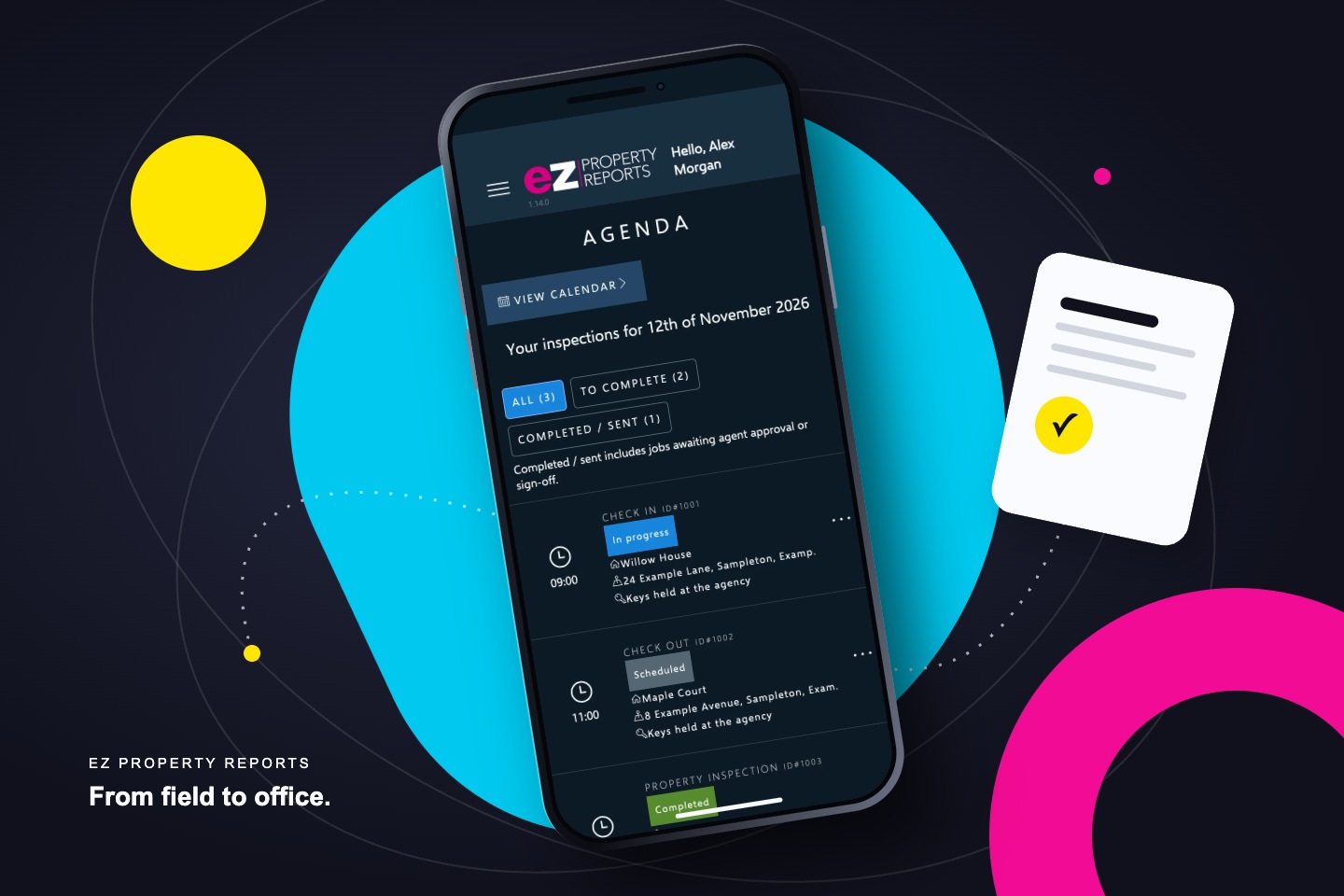
Another Planet and EZ show different kinds of connected workflows. Their case studies provide high-level examples of how the interface, records and backend responsibilities fit together.
Another Planet catalogue and quotation workflow
EZ property reporting workflow